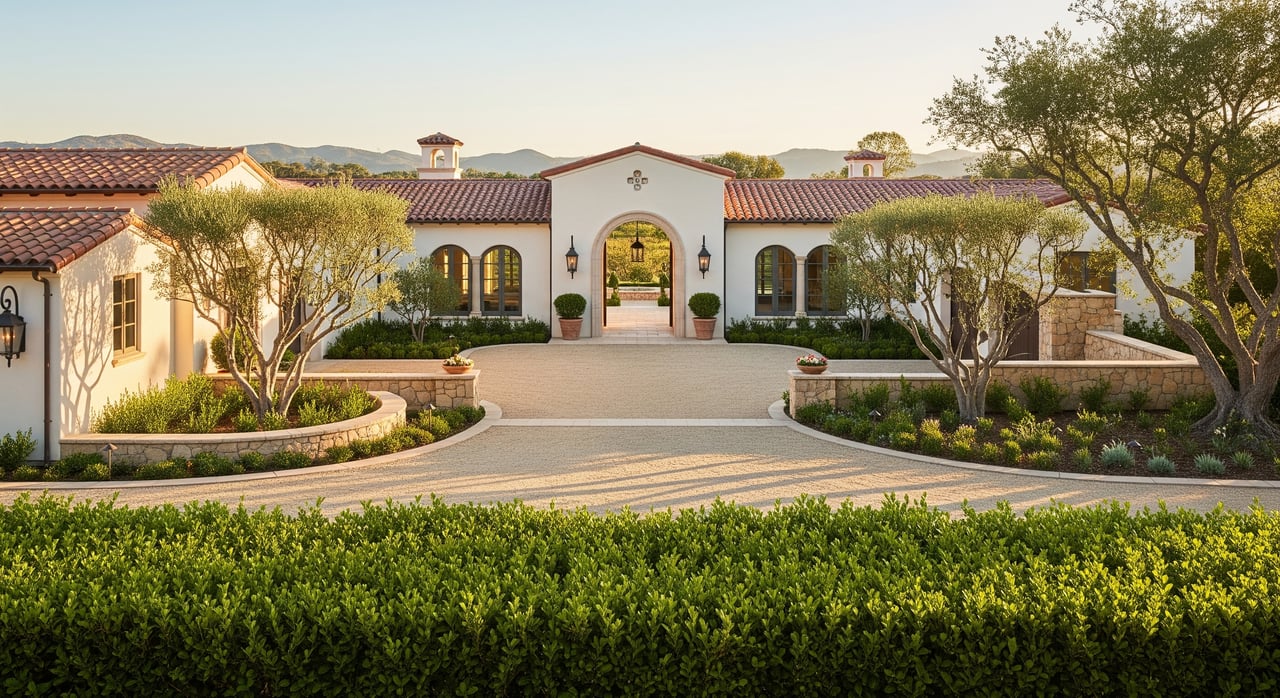
Are you wondering how to price a one-of-a-kind Rancho Santa Fe estate without leaving money on the table or sitting on the market for months? You are not alone. In RSF, every property is unique, buyers are discerning, and the wrong number can slow momentum fast. In this guide, you will learn a clear, practical framework to set your price with confidence, manage days-on-market risk, and market your home so buyers see its full value. Let’s dive in.
Understand the Rancho Santa Fe market
What makes RSF different
Rancho Santa Fe is a low-density luxury community where transactions are bespoke and inventory is limited. Many parcels fall under the Rancho Santa Fe Covenant and the Rancho Santa Fe Association, which guide architectural character and usage. You will see more variation in lot size, design pedigree, equestrian features, and privacy than in a typical neighborhood. As a result, direct comparables are scarce and price dispersion is wide.
Luxury sales here are also more sensitive to wealth trends such as stock market performance, capital gains, and interest rates. Sales often cluster, and a few high-end closings can set the tone for the next quarter. That is why a careful read on recent local activity matters more than broad county averages.
Who your buyers are
Primary buyer groups include local high-net-worth households, Los Angeles and Bay Area relocators, second-home buyers, international buyers, and equestrian enthusiasts. They value privacy, acreage, outdoor living, and access to services. Their decisions are often discretionary. This means perceived value and presentation play a big role alongside the numbers.
Build your pricing framework
Choose the right comparables
Start in Rancho Santa Fe first. Prioritize sales within the same covenant status or adjacent neighborhoods with similar prestige. Use a mix of closed sales, pending deals when available, and current actives that represent your competition. Given limited turnover, you may need to reach back 6 to 18 months. If you include older or farther comps, apply larger adjustments for time and location.
When suitable closed comps are scarce, lean on informed broker knowledge about off-market transactions. Private transfers are common at the top end. Document sources and your rationale to support your pricing range.
Make smart adjustments
Plan for larger, carefully reasoned adjustments than you would in a typical neighborhood. Focus on:
- Lot size and usable acreage. Usable pasture and flat buildable areas carry more weight than steep slopes.
- Views and orientation. Panoramic ocean, valley, or canyon views usually command a premium, especially when protected from future encroachment.
- Amenities and improvements. Guest houses, pools, outdoor kitchens, equestrian facilities, tennis, wine rooms, and advanced security systems add value.
- Architectural pedigree and finishes. Renowned architects, custom craftsmanship, and imported materials influence buyer perception.
- Privacy and access. Gated drives and private settings increase appeal, while proximity to village services helps day-to-day convenience.
- Condition and future potential. Recent renovations and the ability to add structures can justify higher pricing.
- Covenants and easements. Association rules and recorded easements affect usage and value, so verify early.
Use appraisal methods wisely
Sales comparison is your primary approach, but two other methods can help validate the range:
- Cost approach. Estimate replacement cost less depreciation for unique estates with extensive improvements.
- Income approach. Rarely the lead method for owner-occupied homes, but relevant if the property has rental or guest-house income that a subset of buyers will value.
Work with professionals who understand high-end San Diego County properties. Paired-sales analysis and market-derived adjustment percentages are common at this level.
Be cautious with price per square foot
Price per square foot is a blunt instrument in RSF. Land, amenities, and architecture often drive more value than interior area. Use PPSF as a reference point only. Supplement with price per acre, price per bedroom, and total package value, with heavy emphasis on usability of the land and uniqueness of the improvements.
Price the value drivers buyers pay for
Acreage and configuration
Acreage premiums depend on how the land lives day to day. Flat, usable areas for outdoor living or equestrian use typically command stronger pricing. Long private drives, thoughtful orientation, and natural privacy buffers enhance perceived value.
Views and microclimate
Panoramic views and favorable sun exposure create a lifestyle buyers pay for. Confirm whether sightlines are likely to stay intact based on setbacks and neighbor heights. Microclimate can also influence comfort and outdoor living year round.
Equestrian and recreational infrastructure
Barns, arenas, paddocks, and direct access to bridle trails are high-impact features for a defined buyer group. Ensure zoning and maintenance details are accurate. Well-documented equestrian readiness can justify a premium and broaden your qualified audience.
Privacy, security, and services
Gated entries, advanced security systems, and proximity to private clubs and services influence how buyers perceive overall value. Many buyers who prioritize privacy accept higher per-square-foot prices if the setting is exceptional.
Architecture and finishes
Homes with notable architects, historical significance, or exceptional finishes often command premiums that are difficult to quantify. Showcase documentation and craftsmanship clearly, and feature these strengths in your marketing narrative.
Utilities and entitlements
Utility type, water access, septic or sewer, grading, drainage, and any easements can affect both usability and value. Verify early to avoid price changes once the home is on the market.
Pick your strategy and manage DOM risk
Market-value, aspirational, or penetration pricing
- Market-value pricing aims to attract qualified buyers quickly with a number supported by local comps and thoughtful adjustments.
- Aspirational pricing tests the upper range to capture an outlier buyer. It carries a higher risk of longer days on market and later reductions.
- Penetration pricing lists slightly under market to stimulate competition. It is less common in RSF, but it can work when speed is essential and buyer demand is clear.
Choose based on your objectives, holding costs, and current momentum in the luxury tier.
Why days on market matters
In luxury markets, extended days on market can reshape buyer perceptions and reduce urgency. Overpricing often creates a cascading effect: longer exposure, multiple reductions, and potential stigma. Correct initial pricing helps you avoid larger concessions later.
Tactics to reduce DOM risk
- Complete repairs and finish updates before launch. Professional cleaning and concierge-level staging are standard for high-end listings.
- Use targeted pre-marketing. Invite top-producing brokers to preview and schedule private showings for qualified buyers.
- Consider a time-limited pocket listing or exclusive preview period if it fits your goals and MLS rules.
- Improve terms before you adjust price. Shorter contingencies or thoughtful concessions can widen interest without changing the list price.
- If you reduce, refresh. Pair a price change with new photography, re-staging, and updated copy to signal a reinvigorated offering.
Pricing cadence and transparent decisions
Track showings, feedback, broker interest, and nearby listing activity. Set specific checkpoints to reassess pricing based on new comps and market signals. Clear expectations at the outset make mid-course adjustments collaborative rather than reactive.
Pre-listing due diligence and marketing that sustains price
Due diligence checklist
- Verify utilities, septic or sewer, water rights, and any easements.
- Review association or covenant guidelines and recent approvals for additions or renovations.
- Order a recent survey when acreage is material to value.
- Complete repairs that affect perceived quality, such as roofing, pool systems, and major mechanicals.
- Stage primary indoor and outdoor spaces. Schedule photography and drone work after staging.
Marketing elements that add perceived value
- High-resolution photography that tells a lifestyle story, including details of views and amenities.
- Aerial and drone video to highlight acreage, topography, and privacy buffers.
- 3D walkthroughs and cinematic video tours for out-of-area buyers.
- Dedicated property site, detailed floor plans, and downloadable spec sheets.
- Targeted digital campaigns and printed luxury collateral that reach qualified audiences.
- International exposure through appropriate networks when the buyer pool calls for it.
Staging and experiential presentation
Stage key rooms to clarify scale and flow. Curate outdoor living zones to show how the property lives through the seasons. For specialty estates, align staging with the lifestyle buyers expect, such as equestrian use or chef-focused entertaining.
Broker network activation
Engage top local and regional brokers, including specialty equestrian agents. Host invitation-only previews and broker opens. In luxury markets, the right buyer often arrives through a trusted agent who already has a relationship with your listing team.
Measure and adjust
Monitor inquiries, qualified showings, broker feedback, and offer quality. Calibrate spend against holding costs and your timeline. Professional photography, effective staging, and proactive broker outreach are proven to support stronger results in the luxury segment.
Quick reference checklists
Comp analysis
- Start with RSF sales from the last 6 to 18 months.
- Add pending and active listings to gauge competition and momentum.
- Record usable acreage, view type, guest units, equestrian features, and covenant status for each comp.
- Note sale circumstances that may skew price, such as estate or off-market transfers.
- Document adjustment logic with paired-sales examples where possible.
Listing price decision
- Confirm timing and target net proceeds.
- Present a pricing range with clear trade-offs for each approach.
- Match marketing plan and budget to your pricing strategy.
- Agree on DOM milestones for price review and strategic refresh.
Common pitfalls to avoid
- Overreliance on price per square foot when land and amenities drive most of the value.
- Ignoring association rules, easements, or utility constraints until after launch.
- Listing before repairs and staging are complete, which can weaken first impressions.
- Clinging to aspirational pricing without a cadence for review and adjustments.
The bottom line
A winning price in Rancho Santa Fe comes from local comps, smart adjustments for acreage and amenities, and a marketing plan that shows buyers exactly what they are paying for. When you pair a thoughtful launch with clear checkpoints, you protect momentum and increase your odds of a strong, clean result.
If you want a tailored pricing range, pre-sale plan, and marketing strategy for your estate, connect with Michelle Williams. You get boutique guidance, Compass marketing power, and access to Concierge support for high-impact improvements that can boost your net.
FAQs
How should I price a unique Rancho Santa Fe estate with few comps?
- Start with the best local comps available, apply larger adjustments for acreage, amenities, and architecture, then validate with a cost approach and broker insights on off-market sales.
What is the risk of overpricing a luxury home in RSF?
- Overpricing often leads to extended days on market, price reductions, and potential stigma, which can result in a lower final sale price than an accurate initial list.
Is price per square foot useful for RSF luxury properties?
- Use it as a secondary reference only, since land, views, amenities, and architectural pedigree often outweigh interior square footage in buyer valuation.
How do equestrian features affect pricing?
- Well-documented barns, arenas, paddocks, and trail access can command a premium for a focused buyer group, especially when zoning and maintenance are clear.
When should I adjust the list price if showings are slow?
- Predefine review milestones based on days on market and feedback; pair any price reduction with refreshed staging, new photography, and updated marketing.
What pre-list steps help support a higher price?
- Verify utilities and easements, complete key repairs, stage indoor and outdoor spaces, and prepare premium photography and drone assets before launch.