Buying near the coast can feel like a dream until the inspection report lands in your inbox. In Solana Beach, a home inspection often goes beyond the usual checklist because salt air, moisture, drainage, and bluff conditions can affect how a property performs over time. If you are buying or preparing to sell here, it helps to know which findings are routine and which ones call for deeper due diligence. Let’s dive in.
Why Solana Beach inspections feel different
Solana Beach is not just a coastal town with ocean views. It is also part of a shoreline environment where erosion, wave action, and bluff conditions play a real role in property risk and maintenance.
According to the City of Solana Beach beaches overview, the city has 1.7 miles of beachfront, and coastal erosion has narrowed beaches enough that wave action can reach the bluffs and threaten infrastructure. The city is also pursuing shoreline work to improve long-term coastal resiliency through sand restoration.
That broader setting matters during escrow. The California Coastal Commission’s Solana Beach bluff report explains that bluff retreat here can be episodic rather than gradual, with beach width, wave exposure, and sea-level rise affecting whether waves undercut the bluff toe and trigger collapse or block falls.
What inspectors focus on most
A standard home inspection still covers the usual systems and components. In Solana Beach, though, inspectors often place extra attention on areas that are more vulnerable in a coastal environment.
Corrosion and exterior wear
Salt spray and moisture can speed up deterioration, even in homes that look relatively new. FEMA’s coastal construction guidance notes that coastal deterioration can show up in newer or recently built homes near the water.
That usually means inspectors look carefully at exposed metal components such as:
- Railings
- Fasteners
- Connectors and brackets
- Vent caps
- Window and door hardware
- Other exterior metal details
The IBHS guidance on metal flashing also highlights the importance of avoiding incompatible metals in coastal settings, since dissimilar metals can corrode more quickly when exposed to salt and moisture.
Roofs, flashing, and leak-prone details
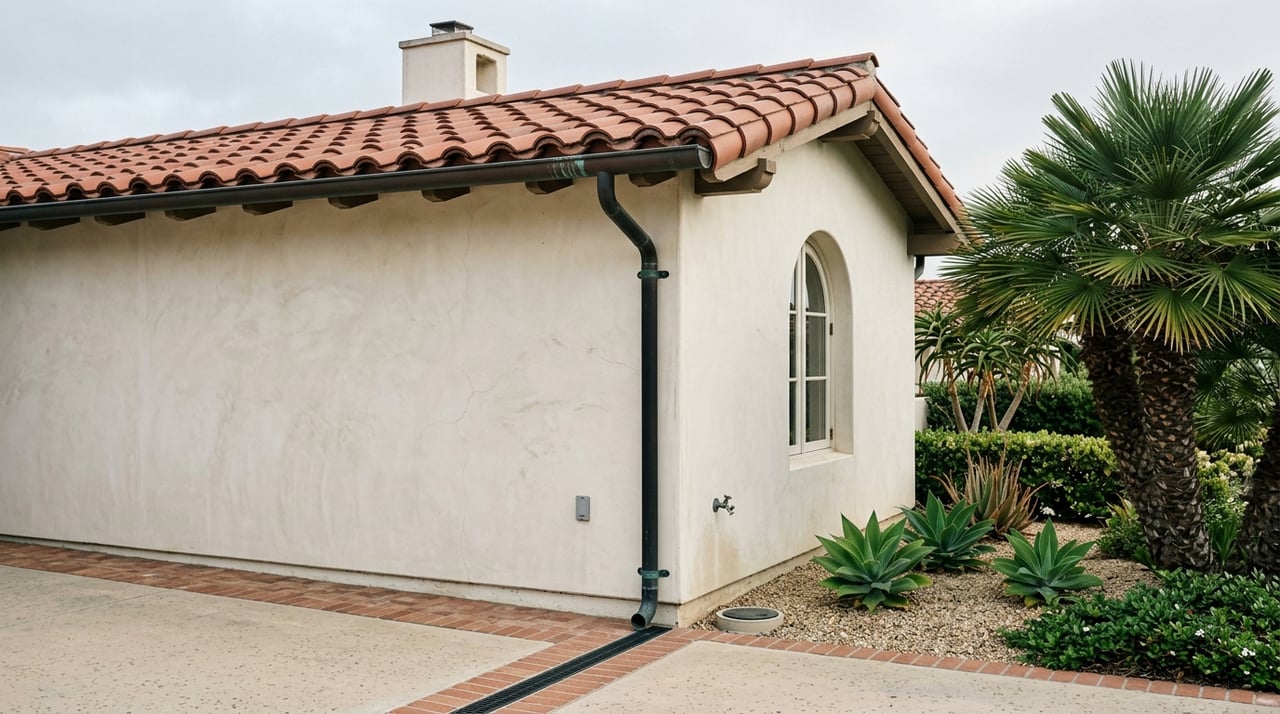
Roof issues matter in any market, but they tend to carry more weight near the coast. Inspectors are often especially alert to flashing, seams, copings, gutters, and roof penetrations because these areas can be both corrosion-prone and vulnerable to water intrusion.
If an inspection notes rusted flashing, worn sealants, or drainage problems at the roofline, that is not always a deal-breaker. It is often a repair item, but it is still important because IBHS notes that these details play a key role in keeping water out of the home.
Drainage and grading
In Solana Beach, drainage is more than a routine maintenance topic. It is also tied to long-term site performance, especially on or near slopes and bluff areas.
Local shoreline documents repeatedly point to drainage as part of coastal protection. The SANDAG Del Mar bluffs stabilization project includes drainage improvements, and Coastal Commission records for Solana Beach describe surface drainage, irrigation management, and plantings as part of bluff-control measures.
During an inspection, that can translate into close attention on:
- Downspout discharge locations
- Site grading near the home
- Erosion around retaining walls
- Runoff patterns near foundations
- Signs that water may be moving toward a bluff edge
Foundations and bluff-adjacent conditions
If the home sits on a bluff top or near a bluff edge, expect the inspection conversation to get more detailed. Buyers may see comments about cracks, settlement, retaining walls, drainage chutes, or signs of prior stabilization work.
That local focus makes sense given the Coastal Commission’s findings that bluff-top structures can be affected as retreat continues, and that shoreline protection may be necessary in some parts of Solana Beach.
Routine repairs vs. bigger due diligence issues
One of the most helpful ways to read a coastal inspection report is to separate normal repair items from site-risk items.
Usually routine items
These findings often fall into the repair or maintenance category:
- Rusted or weathered railings
- Corroded hardware
- Worn flashing
- Minor roof waterproofing issues
- Drainage corrections around the house
These items still matter, especially because they can lead to water intrusion if ignored. But in many cases, they are issues you can price, negotiate, and plan to address.
Items that may need specialist follow-up
Some findings point to a bigger due diligence question rather than a simple fix. Examples can include:
- Visible slope movement
- Settlement patterns that suggest site instability
- Runoff heading toward a bluff edge
- Retaining wall concerns
- Evidence of prior stabilization without clear documentation
In those cases, a standard inspection may not be the end of the story. Based on the local bluff-retreat and stabilization context, these red flags can justify a structural or geotechnical follow-up.
What this can mean during escrow
Inspection findings in Solana Beach often shape negotiations around function and long-term performance, not cosmetics. The most useful repair requests are usually tied to corrosion control, waterproofing details, drainage corrections, or follow-up review of slope and stabilization concerns.
That matters because these issues affect durability and future ownership costs. As a result, they are often the findings most likely to support a repair request, a credit, or a request for more documentation.
Ask for records when site history matters
If a property shows signs of slope movement or has a history of shoreline or bluff protection, do not rely only on the visual inspection report. It is smart to ask for permits, plans, engineering records, and maintenance history.
That approach fits the local landscape. Official records show that both Solana Beach and nearby Del Mar use engineered responses to erosion and bluff concerns, including beach nourishment, drainage work, seawalls, and monitored stabilization efforts, as described by the City of Solana Beach shoreline planning information and SANDAG’s Del Mar bluffs project page.
Is a standard home inspection enough?
For many homes, a standard inspection is the right starting point. It can identify ordinary defects, deferred maintenance, and visible signs of coastal wear.
But if the property is bluff-top, bluff-adjacent, or shows signs of drainage or movement issues, you may need more than a general inspection. In those situations, the next best step may be a structural or geotechnical specialist, depending on what the inspector finds.
How buyers and sellers can prepare
If you are buying
Go into the inspection period expecting a sharper focus on moisture, corrosion, drainage, and site conditions than you might see inland. That does not mean every coastal home has major issues. It means you should be ready to distinguish manageable maintenance from concerns that need expert review.
A practical approach is to:
- Read the inspection report with an eye toward water, corrosion, and drainage.
- Separate cosmetic and maintenance items from possible site-risk items.
- Request supporting records for any prior stabilization or drainage work.
- Bring in a specialist if the report suggests slope or bluff concerns.
If you are selling
A smoother escrow often starts before the buyer ever schedules an inspection. If you know your home has exposed metal wear, roof flashing issues, or drainage items that need attention, addressing them early can help reduce surprises.
For sellers, preparation can include:
- Repairing obvious corrosion or deferred exterior maintenance
- Checking roof and flashing details
- Making sure downspouts and grading direct water away appropriately
- Gathering permits, plans, and maintenance records for prior site work
In a coastal market like Solana Beach, thoughtful preparation can reduce friction and help buyers feel more confident about what they are purchasing.
The bottom line on coastal inspections
A Solana Beach home inspection is often less about finding a perfect house and more about understanding how the property is handling its coastal environment. Salt air, water intrusion risks, drainage patterns, and bluff-related conditions can all shape what matters most in the report.
If you know how to read those findings in context, you can make smarter decisions during escrow and avoid overreacting to routine maintenance or overlooking a deeper site issue. If you want local guidance on buying or selling along the North County coast, connect with Michelle Williams for clear, thoughtful support every step of the way.
FAQs
How is a coastal home inspection in Solana Beach different from an inland inspection?
- A coastal inspection usually puts more focus on moisture, corrosion, drainage, and bluff-related site conditions because these factors are more likely to affect long-term property performance near the ocean.
Is a standard home inspection enough for a Solana Beach bluff-top home?
- A standard inspection is a good starting point, but bluff-top or bluff-adjacent red flags may justify follow-up by a structural or geotechnical specialist.
Are corrosion or flashing issues in a Solana Beach home always deal-breakers?
- Not necessarily. Many of these findings are repairable maintenance issues, but they still matter because they can lead to water intrusion or further deterioration if ignored.
What records should buyers request for a Solana Beach coastal property?
- If there are signs of slope movement or prior stabilization, buyers should ask for permits, plans, engineering documents, and maintenance records related to drainage, retaining walls, seawalls, or other site work.
What inspection findings matter most during Solana Beach escrow negotiations?
- Functional issues such as corrosion control, roof waterproofing details, drainage corrections, and any need for engineering follow-up are often the most important items in negotiations because they affect durability and long-term stability.